The Backlash Problem
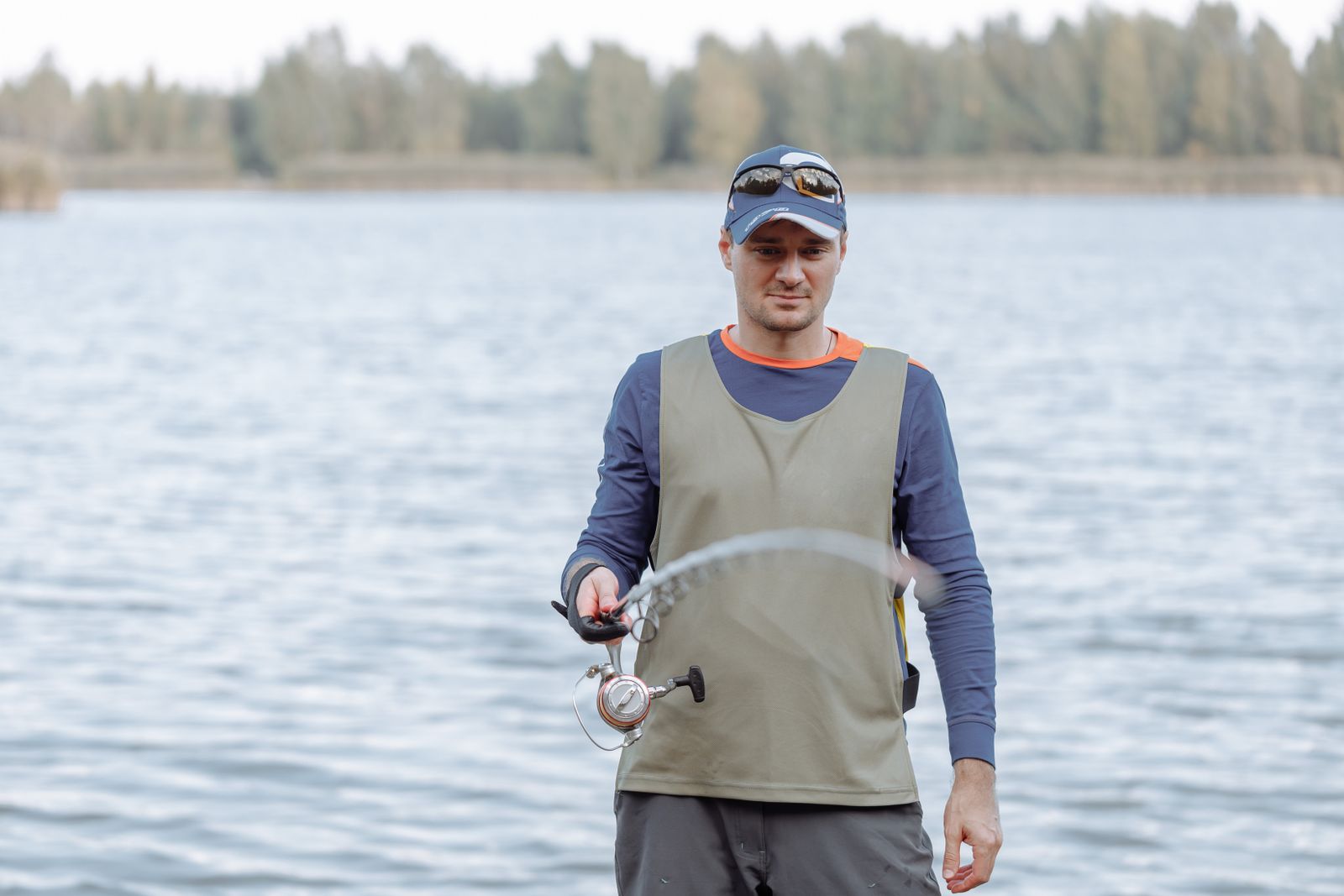
A man stands at the water's edge, readies his cast, releases the reel, and within seconds encounters a tangled mess of line sprawled across his spool—a backlash, or 'bird's nest.' This happens because the spool spins faster than the line is being pulled out through the guides. For beginners, backlash feels inevitable. For professionals, it becomes predictable and preventable through three overlapping systems: spool tension, the reel's brake mechanism, and educated thumb control.
Backlash isn't a gear problem; it's a physics problem. The spool wants to rotate at maximum speed the instant you release it. The line wants to accelerate gradually. When the spool outpaces the line, the excess line bunches up on the spool like a tangled rope. According to Denny Brauer's casting methodology, preventing backlash requires treating spool speed and line speed as partners that must stay synchronized.
Backlash occurs when the spool spins faster than the line coming through the guide. Preventing it requires treating spool speed and line speed as partners that must stay synchronized.
Spool Tension: The Foundation
Before touching the brake system, set spool tension to match your lure. Take Me Fishing recommends holding the rod horizontally with your lure hanging about 8 to 10 inches below the rod tip. Depress the thumb bar and let the reel free-spool. The lure should drop at a controlled rate—approximately one foot per second. The spool should stop spinning the instant the lure hits the ground, with zero additional rotation.
Use Brauer's progressive method: start with the tension knob fully tight, then gradually loosen it until your lure hits the ground and the spool completes no more than one full rotation upon impact. This ensures the spool brakes naturally as line depletes. Too-tight tension reduces casting distance; too-loose tension invites backlash. The correct setting creates a self-regulating system where the spool and line remain balanced throughout the cast.
Heavier lures (½ ounce or more) can handle looser tension; lighter lures need tighter control. Braided line responds differently than monofilament—braided line allows slightly looser tension because its smaller diameter creates less spool friction. Adjust tension whenever you change lure weight significantly.
Brake Systems: Magnetic vs. Centrifugal
Modern baitcasters use two brake technologies. Centrifugal brakes engage at the start of the cast, slowing initial spool acceleration when backlash risk is highest. Magnetic brakes provide steady resistance throughout and increase braking force as the spool slows, peak protection arriving when the spool is slowest and most prone to over-spin. Most premium reels combine both systems.
For beginners, Denny Brauer recommends starting brake systems at approximately 75% power using magnetic settings, or engaging 4-6 centrifugal pins if your reel uses that system. Make 10 consecutive successful casts, then reduce brake power by one increment. Repeat this 10-cast rule until you encounter the first hint of a backlash, then increase brakes back by one step. This establishes the baseline for your current conditions.
Brake settings change with weather and lure choice. Windy conditions or light lures require higher brake settings. Calm days with heavy lures allow lower settings for extended distance. The key principle: insufficient brakes cause backlash; excessive brakes kill distance. The ideal setup achieves both—clean casts and adequate range.
Thumb Technique: The Backlash Killer
Proper spool tension and brake setup prevent 80% of backlash problems. Thumb control prevents the remaining 20% and unlocks precision casting. Take Me Fishing's instruction emphasizes three distinct thumb phases: initial pressure, feathering, and stopping.
At release, apply firm pressure on the spool with your thumb. This restrains the spool during the rod's acceleration phase—the window where backlash risk peaks. As the lure leaves the rod tip and velocity stabilizes, gradually reduce thumb pressure to feather the line out. Think of it as easing off the brake: not sudden, not timid, but steady and controlled. During the final 2-3 feet of the cast, reapply pressure to stop the spool precisely when the lure lands. This eliminates the over-spin that causes tangles.
Practiced anglers use light thumb contact throughout, making micro-adjustments based on how the line is flowing. Beginners should use obvious, deliberate pressure changes until the motion becomes automatic. Within 50-100 casts, the technique integrates into muscle memory.
Insufficient brakes cause backlash; excessive brakes kill distance. The ideal setup achieves both—clean casts and adequate range.
The Complete Casting Motion
Setup matters. Hold the reel with your reel seat above the rod—this is standard for baitcasters. Position your thumb naturally on the bottom of the spool. Pull the rod back so the tip sweeps over your dominant shoulder to approximately 1 o'clock position, not past your ear. The backcast shouldn't feel like a violent motion; it's smooth and deliberate.
At the top of the backcast, press the thumb bar (also called the release button) to engage free-spool. Your thumb immediately clamps the spool—this is the initial pressure phase. Bring the rod forward swiftly, accelerating from 1 o'clock toward 10 o'clock, pointing your rod tip at the target. The forward stroke should take roughly 1 second. At release, the thumb bar reengages automatically on most reels, but your thumb remains the primary control mechanism.
After the lure lands, reel once or twice immediately to re-engage the anti-reverse mechanism and prepare for a strike. This also prevents slack line, which opens the door to accidental backlash on the next cast.
Quick Fix: Untangling a Backlash
When a backlash occurs, resist the urge to reel immediately—this tightens the tangle. Instead, pull 8-12 inches of slack line away from the spool, then gently work your fingers through the nest, finding the main line and loosening wrapped sections. For severe tangles, cut the worst knots and re-tie using a quality fishing knot like a Palomar or improved clinch knot.
Prevention beats repair, but quick recovery saves fishing time. Keep scissors or a small knife handy. If tangles become frequent during a session, stop and recheck spool tension and brake settings—something has shifted.
Practice Progression
Mastery requires structured practice. Start with a heavy ½-ounce lure and high brake settings (75%+) on calm days with no wind. Cast in an open area where distance doesn't matter—a park or empty field works. Focus on smooth thumb control, not distance. Complete 20 clean casts before adjusting anything.
Once 20 consecutive casts succeed, reduce brake settings by one increment and repeat. Continue this progression until the first backlash appears, then increase brakes by one step. This establishes your baseline for that lure and brake configuration. Next, move to ¼-ounce lures and repeat the progression. Then practice casting into targets—docks, fallen trees, vegetation—to develop accuracy while maintaining backlash prevention.
Weather and lure changes should trigger a reset. Windy conditions, unfamiliar lure profiles, or new line weight deserve 5-10 verification casts in an open area before fishing productive water. Professionals call this 'warming up the reel.'