The short answer
A drill is for control: it bores clean holes and uses an adjustable clutch to set fasteners precisely. An impact driver is for power: it adds rotational hammer blows to drive long screws and lag bolts fast with little wrist strain. Buy a drill/driver first — it's the more versatile tool — then add an impact driver for heavy fastening.
A drill is for control. An impact driver is for power.
How each tool actually works
A cordless drill/driver spins the bit with steady, continuous rotation. An adjustable clutch lets you dial in how much torque it applies before slipping, so you can sink a screw flush without stripping it or snapping it off. That steadiness is exactly what you want for drilling and for delicate, precise driving.
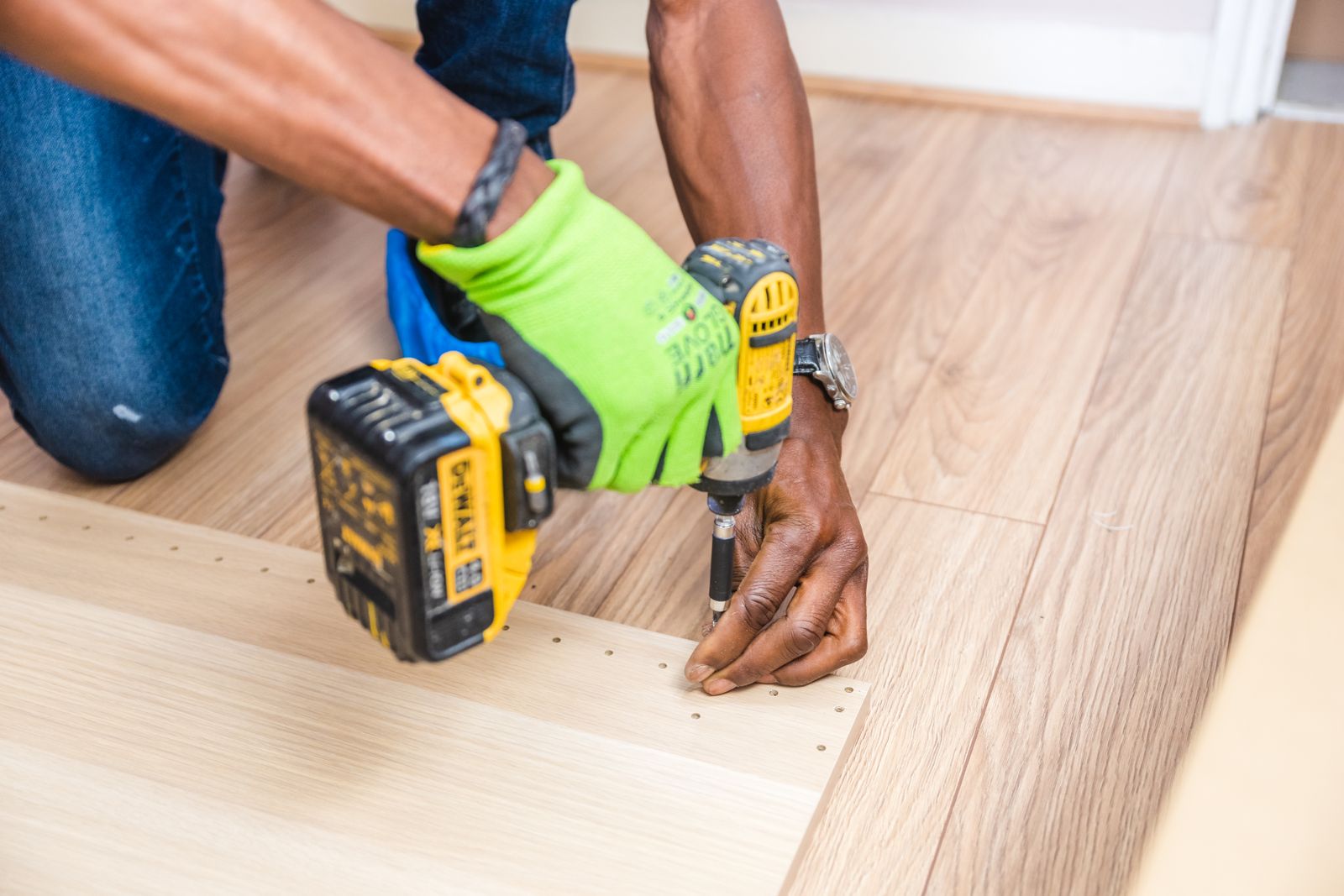
An impact driver starts the same way — it spins — but the moment it meets resistance, an internal hammer-and-anvil mechanism kicks in and delivers rapid rotational blows. As This Old House explains, that bursting action multiplies driving force while sending almost no kickback torque into your wrist. The trade is precision: an impact driver has no clutch, so it keeps hammering until you let off the trigger.
If you can buy only one, buy the drill/driver — it does more of the jobs a homeowner actually faces.
Torque, chuck, and the spec that matters
The two specs that separate these tools are torque and chuck type. A good 18V/20V drill/driver puts out roughly 500-1,200 in-lbs of continuous torque. A comparable impact driver delivers far more peak force — commonly 1,500-2,000 in-lbs, with high-torque pro models reaching 2,500 in-lbs — because the hammer blows multiply the output.
The chuck is the deciding factor for many jobs. A drill has a keyless 3-jaw chuck that grips any round- or hex-shank bit, from a tiny twist bit to a large hole saw. An impact driver has a 1/4-inch quick-release hex collet — it only accepts hex-shank, impact-rated bits. That makes one-handed bit swaps lightning fast, but it locks you out of standard round-shank drill bits and most precision accessories.
Once you own both, you keep one in each hand: drill the pilot hole, then drive the screw home.
Best uses for each
Reach for the drill when you're drilling holes of any kind — wood, metal, masonry with a hammer-drill setting — and when you need finesse: countersinks, driving small or brass screws, hanging cabinets, or anything where over-driving would split the wood or strip the head. The clutch is your friend here.
Reach for the impact driver when you're sinking long deck screws, structural screws, or lag bolts; assembling framing; or running dozens of fasteners into dense engineered lumber. It drives faster, won't cam out and chew up screw heads as easily, and spares your wrist over a long day. For the same reason it's too aggressive for delicate trim and finish work.
Noise, size, and price
Noise is a real difference, not a footnote. A cordless drill runs around 78-85 dB. An impact driver's hammer action is much louder — measured at roughly 96-104 dB under load, above the 85 dB threshold where hearing protection is recommended. Wear earplugs when you're driving fasteners all afternoon.
Impact drivers are generally shorter and lighter, which helps in tight spots like cabinet boxes and joist bays. On price, the tools are close; a bare drill/driver and a bare impact driver each commonly run about $100-$150, with premium brushless pro models higher. The smart buy for most people is a two-tool combo kit with two batteries and a charger, which almost always costs less than buying both tools separately.
Can one replace the other?
Partially, in both directions — but neither is a clean substitute. A drill can drive screws all day; it's just slower and harder on your wrist for long or large fasteners, and you'll cam out more often. An impact driver can drill holes if you buy hex-shank, impact-rated bits, but the results are rougher and you lose the precision a clutch gives you.
As Pro Tool Reviews puts it, if you can afford only one, buy a drill — it does more of the everyday jobs a homeowner faces. The honest answer, though, is that they're complementary. Once you've owned both, you'll keep one in each hand on a real project: drill a pilot hole, then drive the screw home.